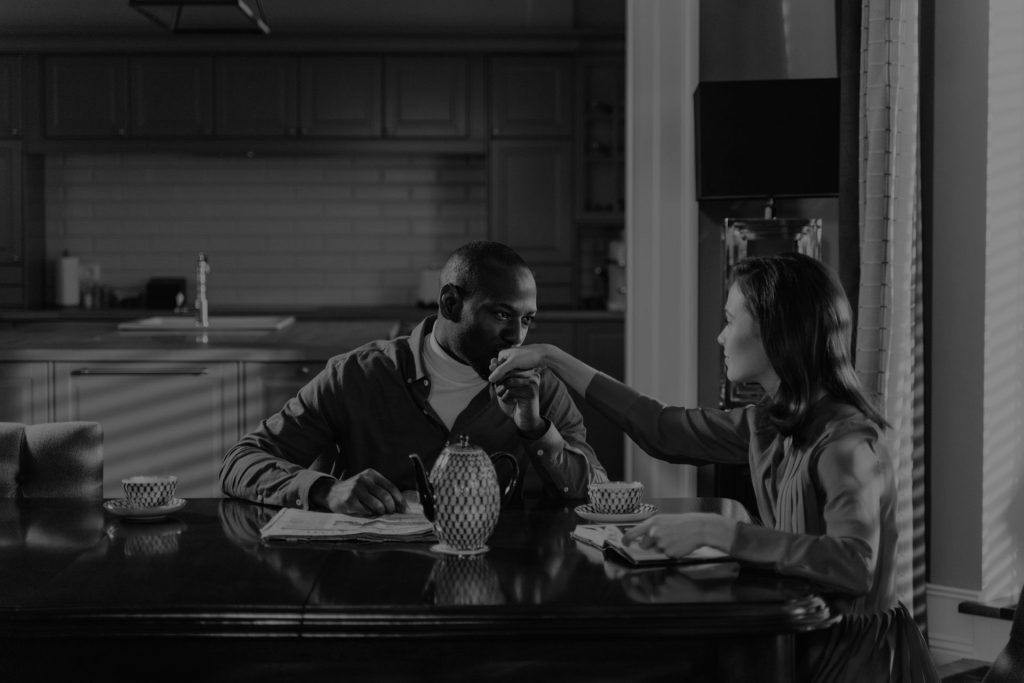
Understanding the Balance Between Masculine Leadership and Feminine Peace
In recent years, the idea of a “traditional relationship” has become a topic of frequent debate. Some view it as outdated, others misunderstand it as restrictive, and many simply have never experienced what it actually means in practice.
In reality, a traditional relationship is not about control or rigid rules. It is about structure, complementarity, and the understanding that men and women often thrive when their natural strengths work together rather than compete with one another.
At its core, a traditional relationship is built on shared purpose. Two individuals choose to build a life together where stability, loyalty, and family are central. Each partner contributes in ways that strengthen the other. The man and the woman do not try to replace each other. Instead, they support one another and create a partnership that feels balanced and secure.
For many people today, this model of relationship is becoming attractive again. After years of modern dating dynamics that often prioritize independence over partnership, many individuals are rediscovering the value of clarity in roles, expectations, and emotional support.
A traditional relationship offers that clarity.
A Relationship Built With Intention
One of the key characteristics of a traditional relationship is intentionality. It is not something that simply “happens.” It is something that is consciously built.
Both partners enter the relationship with the understanding that they are working toward something meaningful. There is a shared vision of the future. Conversations about marriage, children, lifestyle, and values are not avoided or postponed indefinitely.
Instead of ambiguity, there is direction.
Many of the men and women who seek a traditional relationship are not interested in endless dating or situationships that lead nowhere. They want to invest their time and emotional energy in a partnership that has depth and long term potential.
Intentional relationships create a different level of emotional stability. When two people know they are building something together, they behave differently. They communicate more openly, make decisions with the relationship in mind, and show greater respect for one another.
Complementarity Rather Than Competition
A traditional relationship recognizes that men and women often bring different strengths to a partnership.
Modern culture frequently encourages men and women to compete for the same roles, the same recognition, and the same space. While equality of dignity and respect is essential, competition inside a relationship can quietly erode harmony.
A traditional dynamic focuses instead on complementarity.
Many men naturally feel a deep sense of responsibility to protect, provide, and lead. They often feel fulfilled when they know their efforts create stability and opportunity for the people they love.
Many women naturally excel at nurturing emotional connection, creating warmth within the home, and maintaining the social and relational fabric of the family.
When these natural tendencies are respected rather than dismissed, a relationship becomes more balanced. Each partner feels valued for their strengths.
This does not mean every couple must follow identical roles. Every relationship has its own rhythm. However, traditional relationships often work well because they acknowledge that harmony frequently emerges when masculine and feminine energies complement each other.
The Woman’s Role in Creating Peace
One of the most important yet often overlooked aspects of a traditional relationship is the atmosphere that exists inside the home.
A home is not simply a physical place. It is an emotional environment.
For many men, the home should be the place where they recharge, reconnect, and find peace after the pressures of the outside world. Work, responsibility, and leadership often require significant mental and emotional energy. When a man returns home, the emotional tone of the household matters greatly.
A woman who creates peace within the home plays an incredibly powerful role in the stability of the relationship.
This does not mean she must be silent, submissive, or without opinions. On the contrary, a strong woman can bring calm, emotional intelligence, and warmth into the relationship. She knows how to communicate concerns without turning the home into a constant battlefield.
Peaceful energy inside the home creates emotional safety for both partners.
When the home becomes a place of tension, criticism, or emotional chaos, many relationships begin to deteriorate. A man may start spending more time away from the home simply to avoid conflict. Emotional distance slowly replaces intimacy.
A peaceful home environment encourages the opposite. It creates a space where both partners feel respected, valued, and comfortable being themselves.
The woman who builds that atmosphere becomes the emotional center of the household.
The Man as Her Pillar
While the woman contributes emotional warmth and stability to the home, the man plays a crucial role as the pillar of support in the relationship.
In a traditional relationship, the man understands that his partner should feel safe with him. Safety is not only physical. It is emotional, psychological, and practical.
A woman should feel that she can rely on her partner during difficult moments. When challenges arise, whether financial, personal, or family related, she knows that he will not collapse under pressure.
He becomes the pillar she can lean on.
This sense of support allows a woman to express her femininity more freely. When she feels protected and valued, she does not need to constantly guard herself or operate in survival mode.
Instead, she can invest her energy into nurturing the relationship, building the home, and strengthening the emotional bond between the partners.
A supportive man does not simply provide financially. He also provides reassurance, encouragement, and leadership during moments of uncertainty.
He listens when she speaks. He respects her thoughts. He takes her concerns seriously.
Strength and kindness are not opposites. In fact, the strongest men often understand the importance of emotional responsibility toward the woman they love.
Mutual Respect and Loyalty
A traditional relationship cannot function without mutual respect.
Respect means that both partners recognize the value the other brings into the relationship. The man respects the emotional and relational role of the woman. The woman respects the responsibility and leadership the man carries.
When respect disappears, resentment often follows.
Traditional relationships tend to emphasize loyalty as well. The relationship is not treated as disposable or easily replaceable. Both partners invest in maintaining the bond, even during challenging periods.
Every relationship faces moments of disagreement or frustration. What distinguishes a strong relationship is the willingness of both partners to protect the partnership rather than undermine it.
Loyalty builds trust, and trust builds emotional security.
The Importance of Family
For many couples who value traditional relationships, family remains a central life goal.
Marriage is not simply a romantic milestone. It is the beginning of a shared project that often includes building a family and raising children.
A stable household provides children with structure, guidance, and emotional security. They grow up observing cooperation, respect, and commitment between their parents.
Children who grow up in a peaceful environment often carry those values into their own future relationships.
The family unit therefore becomes more than just a private arrangement between two individuals. It becomes the foundation of future generations.
Traditional relationships often recognize this responsibility and take it seriously.
Why Many People Are Returning to Traditional Values
Despite modern dating culture emphasizing independence and flexibility, many individuals are quietly rediscovering the appeal of traditional relationships.
Dating apps and casual dating environments have created opportunities for connection, but they have also introduced significant instability. Many people feel exhausted by relationships that lack direction or long term commitment.
Traditional relationships offer an alternative.
They provide clarity. Both partners understand what they are building and why it matters. There is less confusion about expectations and greater focus on shared goals.
Men often feel respected for their leadership and responsibility. Women often feel appreciated for the emotional depth and warmth they bring into the relationship.
Instead of competition, there is cooperation.
The Role of Matchmaking in Traditional Relationships
Finding a partner who shares these values is not always easy in modern dating environments.
Many individuals who desire a traditional relationship struggle to find like minded partners. Dating platforms tend to prioritize speed and quantity rather than long term compatibility.
Professional matchmaking offers a different approach.
By understanding a person’s values, character, and vision for the future, a matchmaker can introduce individuals who are aligned not only in attraction but also in mindset.
Shared values are often the strongest predictor of long term relationship success.
When two people meet with clear intentions and compatible expectations, the relationship has a far stronger foundation from the beginning.
Building a Life Together
A traditional relationship is not about returning to the past. It is about preserving certain principles that have proven meaningful for generations.
It is about building a home that feels peaceful rather than stressful.
It is about a woman who brings warmth, emotional intelligence, and harmony into the household.
It is about a man who stands as a pillar of strength, offering protection, support, and leadership when needed.
It is about loyalty, commitment, and shared purpose.
When these elements come together, a relationship becomes more than companionship. It becomes a partnership where both individuals grow stronger together.
For those who seek depth, stability, and family oriented values, a traditional relationship remains one of the most fulfilling paths two people can choose to build their lives around.
Florent Raimy – Founder and Matchmaker at Edwige International